
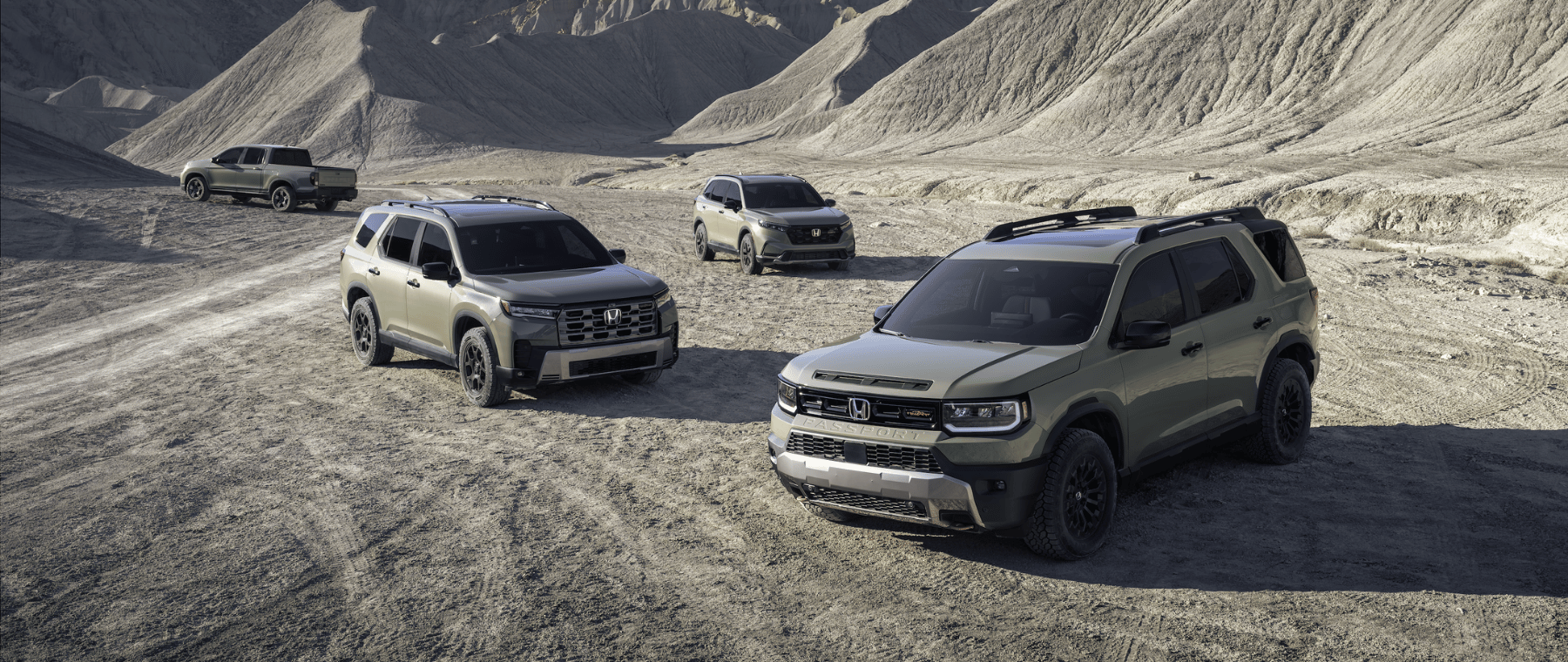
Choosing your next vehicle involves more than finding a model you like. You also want to consider fuel efficiency, interior comfort, technology, safety features, cargo space, and how well a vehicle fits your everyday routine. With so many automotive brands offering competitive options, comparing vehicles side by side can help you make a more confident decision.
Honda has built a strong presence in the automotive market with a lineup that includes compact cars, midsize sedans, versatile SUVs, and the Ridgeline pickup truck. However, brands like Toyota, Hyundai, Subaru, Ford, and Chevrolet also offer compelling vehicles with their own advantages.
At Barker Honda, we believe the best vehicle is the one that meets your needs and priorities. Let's explore how Honda compares with its competitors across three major categories: cars, SUVs, and trucks.
What Should You Consider When Comparing Vehicle Brands?
Before choosing between Honda and another manufacturer, consider how you plan to use your next vehicle. A commuter may prioritize fuel economy and comfort, while a growing family may need additional passenger space and flexible cargo storage. Truck shoppers may place greater importance on towing, payload, and off-road capability.
Some important factors to compare include:
- Fuel efficiency: Compare EPA-estimated fuel economy, particularly if you have a lengthy daily commute.
- Safety technology: Review standard and available driver-assistance features.
- Interior comfort: Consider seating support, cabin materials, passenger room, and road noise.
- Technology: Compare infotainment systems, smartphone connectivity, and available convenience features.
- Ownership costs: Research maintenance requirements, warranty coverage, insurance costs, and potential resale value.
- Performance and capability: Look at available engines, drivetrain options, towing capacity, and handling.
Comparing similarly equipped trims is especially important. A vehicle with a lower starting price may not include the same features as a competing model, so reviewing the complete equipment list can provide a more accurate picture of overall value.
Honda Cars vs. the Competition
Honda's car lineup includes the Civic and Accord, two well-established models that appeal to drivers looking for everyday practicality. Toyota, Hyundai, and other manufacturers offer alternatives worth considering, depending on your budget and driving preferences.
Honda Civic vs. Toyota Corolla and Hyundai Elantra
The Honda Civic competes with compact sedans such as the Toyota Corolla and Hyundai Elantra. All three offer practical transportation for commuting, running errands, and traveling around town.The Civic is worth considering for its balanced driving experience, thoughtfully designed cabin, and available hybrid powertrain. Drivers interested in a more engaging experience can also explore performance-oriented Civic models, including the Civic Si and Civic Type R.
The Corolla appeals to shoppers who appreciate Toyota's compact-car lineup and available hybrid technology. Meanwhile, the Elantra offers distinctive styling and a range of configurations that can appeal to budget-conscious shoppers and drivers seeking additional performance.
When comparing these sedans, consider more than fuel economy or the advertised starting price. Take time to evaluate seating comfort, visibility, infotainment controls, trunk space, and how each vehicle feels during a test drive.
Honda Accord vs. Toyota Camry and Hyundai Sonata
For drivers who prefer a midsize sedan, the Honda Accord competes with the Toyota Camry and Hyundai Sonata.
The Accord offers a spacious cabin, comfortable ride, and available hybrid powertrain. Its interior layout and straightforward controls make it an appealing option for commuters who spend considerable time behind the wheel.
The Camry is another strong choice, particularly for shoppers interested in a hybrid-focused midsize sedan. The Sonata provides another alternative, with its own styling, technology, and available powertrain configurations.
The right choice depends on your priorities. Compare passenger room, fuel economy, standard equipment, driving characteristics, and available features before deciding which sedan deserves a place on your shortlist.
Honda SUVs vs. the Competition
SUVs are popular with drivers who need a combination of passenger space, cargo flexibility, and everyday versatility. Honda offers several options, from smaller crossovers to three-row family SUVs, while competitors provide alternatives for different lifestyles and budgets.
Honda HR-V vs. Toyota Corolla Cross and Hyundai Kona
The Honda HR-V is a subcompact SUV designed for drivers who want a manageable vehicle with more flexibility than a traditional sedan.
Its compact footprint can make navigating parking lots and crowded streets easier, while its elevated seating position and adaptable interior provide everyday utility. The Toyota Corolla Cross and Hyundai Kona are competitors worth comparing for similar reasons.
Consider how much rear-seat space you need, how often you carry cargo, and whether all-wheel drive is important for your driving conditions. Technology, visibility, and ease of entry can also make a meaningful difference in everyday ownership.
Honda CR-V vs. Toyota RAV4 and Subaru Forester
The Honda CR-V competes in one of the most popular SUV segments, alongside vehicles such as the Toyota RAV4 and Subaru Forester.
The CR-V stands out as an option for shoppers seeking a comfortable cabin, flexible cargo area, and available hybrid powertrain. Its practical layout can accommodate groceries, luggage, sports equipment, and other items without requiring a larger SUV.
The RAV4 offers a broad lineup that includes hybrid options, while the Forester appeals to shoppers interested in standard all-wheel drive and outdoor-oriented versatility.
When comparing these models, examine cargo dimensions, rear-seat comfort, fuel economy, available AWD systems, and safety technology. If you're considering a hybrid, compare the specific powertrain and trim rather than assuming every version delivers the same efficiency.
Honda Pilot vs. Toyota Highlander and Other Three-Row SUVs
Families needing additional passenger space may want to compare the Honda Pilot with the Toyota Highlander and other three-row SUVs, such as the Kia Telluride.
The Pilot offers three rows of seating and a cabin designed to accommodate family travel. Depending on the configuration, features such as flexible seating arrangements, available all-wheel drive, and additional cargo space can help make daily transportation more convenient.
The Highlander and Telluride bring their own strengths in areas such as available powertrains, interior design, and equipment.
Before choosing a three-row SUV, consider how frequently you'll use the third row. Check how much cargo room remains when all seats are occupied, how easily passengers can access the back row, and whether the vehicle can accommodate car seats, strollers, luggage, or sports gear.
Honda Passport vs. Off-Road-Oriented Competitors
Drivers who want a midsize SUV with a more adventurous character should consider the Honda Passport alongside competitors such as the Toyota 4Runner and Subaru Outback.
The Passport offers a two-row layout and available TrailSport equipment intended for outdoor-oriented driving. Its size and configuration can appeal to shoppers who want additional cargo flexibility without needing a third row.
The 4Runner, by comparison, emphasizes traditional SUV capability and offers configurations designed for more demanding off-road use. The Outback provides a different approach, combining wagon-like practicality with available all-wheel drive.
Think about the terrain you regularly encounter before making a decision. Occasional camping trips and gravel roads may call for different equipment than challenging trails, substantial ground-clearance requirements, or specialized off-road driving.
Honda Trucks vs. the Competition
Honda's pickup offering is the Ridgeline, a midsize truck with a different design philosophy from many traditional pickups. It competes with models such as the Toyota Tacoma, Ford Ranger, and Chevrolet Colorado, although each truck serves somewhat different priorities.Honda Ridgeline vs. Toyota Tacoma, Ford Ranger, and Chevrolet Colorado
The Honda Ridgeline uses unibody construction, integrating the body and frame into one structure. This design helps deliver a driving experience that feels more carlike than many traditional body-on-frame trucks.
For drivers who want a pickup for home improvement projects, outdoor equipment, weekend activities, and everyday commuting, the Ridgeline deserves consideration. Its cabin comfort and practical storage solutions can be appealing to shoppers who use their trucks for a mix of personal and recreational needs.
The Toyota Tacoma, Ford Ranger, and Chevrolet Colorado use traditional body-on-frame construction. Depending on the configuration, these trucks may offer advantages for buyers prioritizing particular towing requirements, off-road hardware, or work-focused capabilities.
That doesn't make one design universally better. Instead, the right truck depends on what you expect it to accomplish.
Before buying, compare maximum towing and payload ratings for the exact configurations you're considering. Also review bed dimensions, available four-wheel drive, ground clearance, and any equipment required to achieve advertised capability figures.
If you plan to tow regularly, verify that the truck's ratings accommodate your trailer and cargo. If comfort and daily drivability matter most, spend time behind the wheel of each contender.
Where Honda Stands Out—and Where Competitors May Fit Better
Honda deserves consideration for its broad selection of practical vehicles, available hybrid powertrains, and emphasis on everyday usability. Its lineup gives shoppers options for commuting, family transportation, and recreational activities without requiring them to move into a different vehicle category.
Honda Sensing driver-assistance technology is also standard across Honda's current vehicle lineup, although individual features and availability can vary by model and configuration.
However, competitors may be a better fit for certain buyers. Someone who prioritizes a traditional off-road truck may prefer a particular Tacoma or Ranger configuration. A shopper focused on a specific hybrid system, maximum towing capability, or a certain set of premium features may find another brand better aligned with their needs.
The most useful comparison is one that considers the exact vehicles, equipment, and prices involved—not just the manufacturer badge.
Find the Right Honda for Your Needs at Barker Honda
Whether you're comparing the Honda Civic with other compact cars, researching SUVs like the CR-V and Pilot, or evaluating the Ridgeline against competing midsize trucks, taking time to compare your options can help you find a vehicle that fits your lifestyle.
At Barker Honda, you can explore the Honda lineup, review available models and trim levels, and identify features that matter most to you. Our team can help you compare options and determine which vehicle makes sense for your driving needs.
Explore our Honda inventory, discuss financing options, or schedule a test drive to experience your preferred model firsthand. When you're ready to compare Honda with the competition, Barker Honda is here to help you take the next step.