

Blog / honda transmission repair

Does My Honda Need a Transmission Repair? Signs, Fixes & Local Help in Houma, LA

car mechanic checking car transmission

If you're noticing unusual behavior from your Honda's transmission, it might be time for a check-up. Before you face a major repair, understand the common signs of transmission issues and learn when to seek professional help.

Your Honda's transmission isn’t just important—it’s essential. If your car is jerking, slipping gears, or lighting up the dashboard, ignoring it could lead to a full-blown breakdown.

If your Honda is slipping gears, making strange noises, or struggling to shift, it may need immediate Honda transmission repair. Catching these symptoms early—along with routine fluid checks—can prevent major failures and save you thousands.

At Barker Honda, our ASE-certified techs have decades of experience diagnosing and fixing complex Honda transmission issues—from fluid leaks to full rebuilds. We know what local drivers in Houma, Cut Off, and Thibodaux are dealing with because we see it every day.

Let’s walk you through the warning signs, causes, and repair options—so you know what’s urgent, what’s fixable, and where to get help when you need it.

  • Transmission warning signs like slipping, jerking, fluid leaks, and dashboard lights mean it’s time to act fast.
  • Common Honda transmission problems often stem from neglected fluid maintenance, overheating, or worn components.
  • Early diagnostics and repairs from a trusted service center like Barker Honda can help avoid full replacements and higher costs.

Common Warning Signs of Honda Transmission Trouble

Knowing what to watch for can prevent expensive repairs down the road. Here are the most common red flags that your Honda transmission may be in trouble:

  • Slipping Gears: Your car unexpectedly changes gears or feels like it’s in neutral even when in drive.
  • Strange Noises: Grinding, whining, or clunking sounds during shifting or acceleration may indicate serious issues.
  • Delayed or Rough Shifting: Gear changes are no longer smooth—expect hesitation, jerks, or shaking.
  • Transmission Fluid Leaks: Reddish or dark fluid under your vehicle is a clear sign of a leak.
  • Dashboard Warning Lights: Transmission warning symbols or a lit check engine light may signal electrical or mechanical failure.

Acting on these symptoms early can save thousands in potential repairs and extend your Honda’s transmission life.

Top Reasons Honda Transmissions Fail Over Time

The biggest culprit behind transmission failure is neglected maintenance, especially skipping fluid changes. Overheating from low fluid levels or heavy driving loads accelerates internal wear. Even with regular care, parts like torque converters, clutches, and seals eventually wear out. Add in aggressive driving habits or towing beyond limits, and transmission stress builds up fast.

Honda Transmission Repair vs. Rebuild vs. Replacement: A Cost-Smart Breakdown

If your Honda’s transmission is acting up, understanding your repair options can save you time, money, and frustration. Here’s a quick look at how repair, rebuild, and replacement compare—so you can make the most informed decision possible.
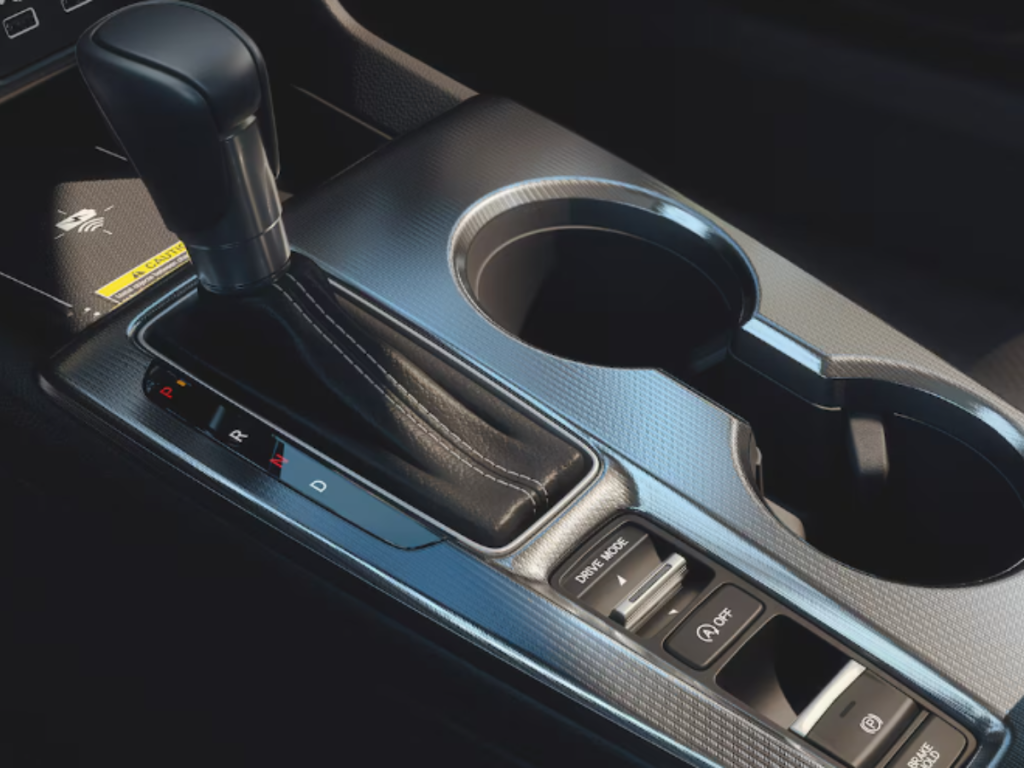
Honda civic transmission

Honda Transmission Service Options

OptionDescriptionEstimated Cost RangeBest ForDealership Notes
RepairFixing only the damaged part (e.g., solenoids, sensors, seals)$300 – $1,500Minor issues caught earlyIdeal for early-stage problems like fluid leaks, minor slipping, or warning lights. Quick turnaround and lower cost.
RebuildFull disassembly, replacement of worn parts, and reassembly of original transmission$2,000 – $3,500Moderate to extensive wearMore cost-effective than full replacement. We inspect every component and replace only what’s worn—great for longevity.
ReplacementSwap your current transmission for a new or refurbished unit$4,000 – $6,000+Severe damage or total failureRecommended only if rebuild isn't viable. OEM units cost more but offer long-term peace of mind with factory-grade parts.

Not sure which route to take? Here’s a pro tip: if your Honda’s transmission issue is isolated—like a faulty solenoid or a minor leak—a repair is almost always the smartest first move. Rebuilds make sense when multiple internal components are worn but the housing is still solid. 

Full replacements are typically reserved for severe internal damage or repeated failures. Our techs in Houma use real-time diagnostics and your vehicle’s service history to guide the right call—not just the most expensive one.

How to Check Your Honda's Transmission Fluid the Right Way

Checking your fluid is the quickest and easiest way to spot early transmission issues. Here's how to do it:

  • Park your vehicle on a level surface and ensure the engine is warmed up.
  • Locate the transmission dipstick, usually marked and separate from the engine oil dipstick.
  • Pull the dipstick, wipe it clean, reinsert, and pull it out again to read the level.
  • Check the fluid color—healthy transmission fluid is red or pink and has a slightly sweet smell.
  • If it’s dark, dirty, or smells burnt, it’s time for a transmission service.

If levels are low, or the fluid looks off, have your vehicle inspected promptly. A quick check today can prevent a costly rebuild tomorrow.

Professional Transmission Diagnostics: What to Expect

A trusted technician will use computerized diagnostics to pull error codes specific to your Honda model. This is followed by a visual inspection, a fluid check, and a test drive to assess performance under real conditions. Combining software insights with hands-on evaluation helps pinpoint the issue quickly. Early diagnostics save time and prevent unnecessary repairs.

When Does a Transmission Repair Make More Sense Than a Replacement?

Not every transmission problem means full replacement. In many cases, a targeted repair or rebuild is the smarter and more budget-friendly move. Here’s when it makes more sense to repair than replace:

  • Minor Component Failures: Issues like faulty sensors, worn solenoids, or fluid leaks can often be fixed without full disassembly.
  • Lower Mileage Hondas: If your Honda has relatively low mileage and no history of transmission abuse, repairs can restore long-term reliability.
  • Cost-Effective Repairs: Repairs and partial rebuilds usually cost less than half the price of full replacements, often landing between $1,500–$3,000.
  • Time-Sensitive Fixes: Repairs typically take less time than full replacements or rebuilds, minimizing your downtime.
  • No Internal Catastrophic Damage: If there’s no extensive internal damage, a targeted repair is often just as durable—and far cheaper.

Knowing when to repair rather than replace helps you make an informed, financially smart choice that keeps your Honda on the road longer.

A Final Word on Honda Transmission Repair

If you’re seeing signs of trouble—don’t wait—early diagnosis is your best shot at avoiding a full-blown transmission replacement.

Acting quickly can save thousands, especially when it’s something as critical as your Honda’s transmission. From unusual noises and slipping gears to shifting delays and warning lights, these red flags mean it’s time to have your vehicle checked. Routine fluid checks and professional diagnostics go a long way in preserving your transmission’s health and extending the life of your Honda. For drivers in Houma and nearby areas like Cut Off, Raceland, and Thibodaux, local knowledge and climate awareness also play a big role in transmission wear—especially in high-humidity zones like ours.

At Barker Honda, we don’t just fix problems—we help you prevent them. Our team offers transparent service, certified Honda technicians, and straightforward answers, so you know exactly what your vehicle needs—nothing more, nothing less. Whether it’s a quick repair, a full diagnostic check, or just peace of mind, our service center is here to help you drive smarter and safer.

Visit us at 1662 Martin Luther King Blvd, Houma, LA 70360, or give us a call at 985-262-3888 to schedule your Honda transmission check or repair today. Let’s keep your vehicle shifting smoothly—miles ahead of the problem.

Trust Your Honda with Barker Honda in Houma

Just like any part in your car, the transmission needs maintenance to help ensure a long life and avoid transmission issues. At Barker Honda, our transmission service consists of a complete inspection of the performance of your transmission. Then we will sit down with you and give you an estimate of any required work. Also, feel free to order your parts with us. we also have service & parts specials for you to browse through. Come stop by our dealership today if you’re in need of a Honda transmission repair service or give us a call at 985-262-7670. We look forward to getting you back on the road as soon as possible!
Posted in:

Recommended Posts

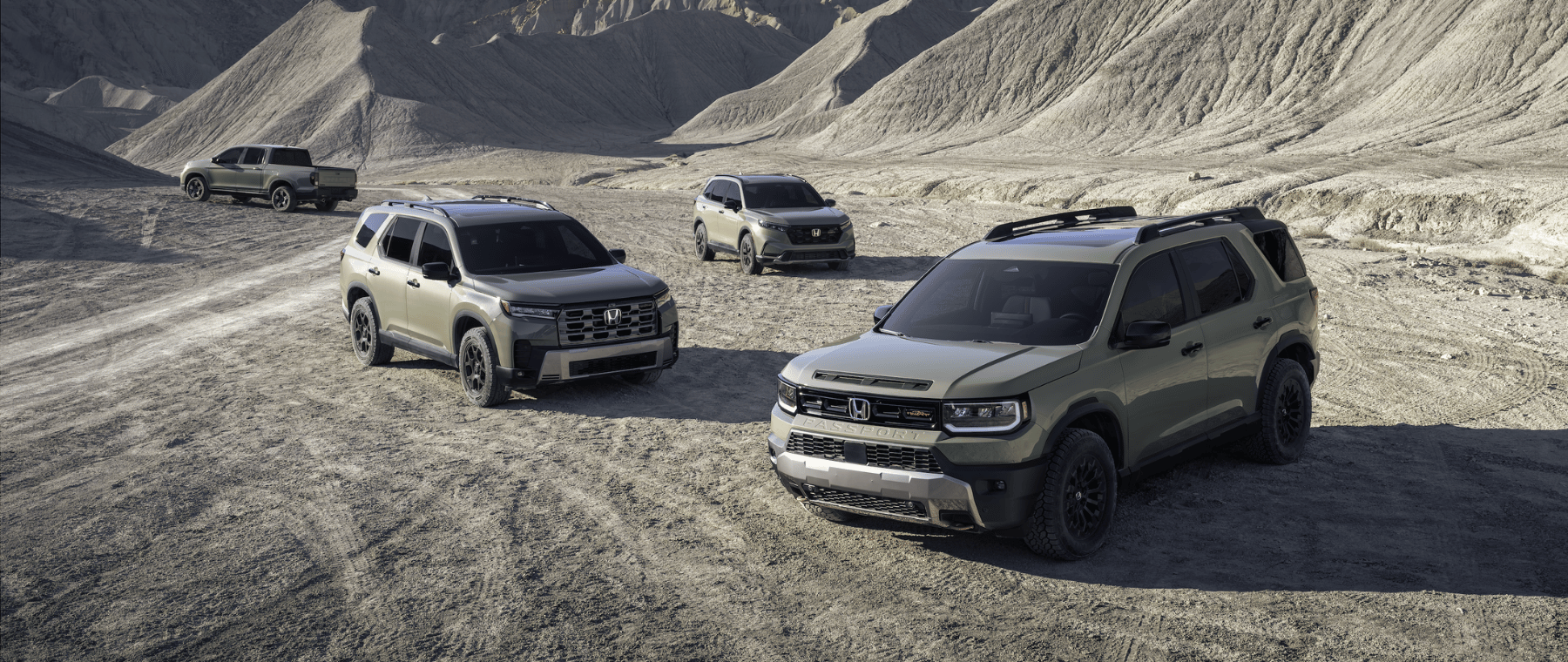
Honda Lineup

Honda vs. the Competition: Compare Cars, SUVs & Trucks

Choosing your next vehicle involves more than finding a model you like. You also want to consider fuel efficiency, interior comfort, technology, safety features, cargo space, and how well a vehicle fits your everyday routine. With so many automotive brands offering competitive options, comparing vehicles side by side can help you make a more confident decision. Honda has built a strong presence in the automotive market with a lineup that includes compact cars, midsize sedans, versatile SUVs, and the Ridgeline pickup truck. However, brands like Toyota, Hyundai, Subaru, Ford, and Chevrolet also offer compelling vehicles with their own advantages. At Barker Honda, we believe the best vehicle is the one that meets your needs and priorities. Let's explore how Honda compares with its competitors across three major categories: cars, SUVs, and trucks. What Should You Consider When Comparing Vehicle Brands? Before choosing between Honda and another manufacturer, consider how you plan to use your next vehicle. A commuter may prioritize fuel economy and comfort, while a growing family may need additional passenger space and flexible cargo storage. Truck shoppers may place greater importance on towing, payload, and off-road capability. Some important factors to compare include: Fuel efficiency: Compare EPA-estimated fuel economy, particularly if you have a lengthy daily commute. Safety technology: Review standard and available driver-assistance features. Interior comfort: Consider seating support, cabin materials, passenger room, and road noise. Technology: Compare infotainment systems, smartphone connectivity, and available convenience features. Ownership costs: Research maintenance requirements, warranty coverage, insurance costs, and potential resale value. Performance and capability: Look at available engines, drivetrain options, towing capacity, and handling. Comparing similarly equipped trims is especially important. A vehicle with a lower starting price may not include the same features as a competing model, so reviewing the complete equipment list can provide a more accurate picture of overall value. Honda Cars vs. the Competition Honda's car lineup includes the Civic and Accord, two well-established models that appeal to drivers looking for everyday practicality. Toyota, Hyundai, and other manufacturers offer alternatives worth considering, depending on your budget and driving preferences. Honda Civic vs. Toyota Corolla and Hyundai Elantra The Honda Civic competes with compact sedans such as the Toyota Corolla and Hyundai Elantra. All three offer practical transportation for commuting, running errands, and traveling around town. The Civic is worth considering for its balanced driving experience, thoughtfully designed cabin, and available hybrid powertrain. Drivers interested in a more engaging experience can also explore performance-oriented Civic models, including the Civic Si and Civic Type R. The Corolla appeals to shoppers who appreciate Toyota's compact-car lineup and available hybrid technology. Meanwhile, the Elantra offers distinctive styling and a range of configurations that can appeal to budget-conscious shoppers and drivers seeking additional performance. When comparing these sedans, consider more than fuel economy or the advertised starting price. Take time to evaluate seating comfort, visibility, infotainment controls, trunk space, and how each vehicle feels during a test drive. Honda Accord vs. Toyota Camry and Hyundai Sonata For drivers who prefer a midsize sedan, the Honda Accord competes with the Toyota Camry and Hyundai Sonata. The Accord offers a spacious cabin, comfortable ride, and available hybrid powertrain. Its interior layout and straightforward controls make it an appealing option for commuters who spend considerable time behind the wheel. The Camry is another strong choice, particularly for shoppers interested in a hybrid-focused midsize sedan. The Sonata provides another alternative, with its own styling, technology, and available powertrain configurations. The right choice depends on your priorities. Compare passenger room, fuel economy, standard equipment, driving characteristics, and available features before deciding which sedan deserves a place on your shortlist. Honda SUVs vs. the Competition SUVs are popular with drivers who need a combination of passenger space, cargo flexibility, and everyday versatility. Honda offers several options, from smaller crossovers to three-row family SUVs, while competitors provide alternatives for different lifestyles and budgets. Honda HR-V vs. Toyota Corolla Cross and Hyundai Kona The Honda HR-V is a subcompact SUV designed for drivers who want a manageable vehicle with more flexibility than a traditional sedan. Its compact footprint can make navigating parking lots and crowded streets easier, while its elevated seating position and adaptable interior provide everyday utility. The Toyota Corolla Cross and Hyundai Kona are competitors worth comparing for similar reasons. Consider how much rear-seat space you need, how often you carry cargo, and whether all-wheel drive is important for your driving conditions. Technology, visibility, and ease of entry can also make a meaningful difference in everyday ownership. Honda CR-V vs. Toyota RAV4 and Subaru Forester The Honda CR-V competes in one of the most popular SUV segments, alongside vehicles such as the Toyota RAV4 and Subaru Forester. The CR-V stands out as an option for shoppers seeking a comfortable cabin, flexible cargo area, and available hybrid powertrain. Its practical layout can accommodate groceries, luggage, sports equipment, and other items without requiring a larger SUV. The RAV4 offers a broad lineup that includes hybrid options, while the Forester appeals to shoppers interested in standard all-wheel drive and outdoor-oriented versatility. When comparing these models, examine cargo dimensions, rear-seat comfort, fuel economy, available AWD systems, and safety technology. If you're considering a hybrid, compare the specific powertrain and trim rather than assuming every version delivers the same efficiency. Honda Pilot vs. Toyota Highlander and Other Three-Row SUVs Families needing additional passenger space may want to compare the Honda Pilot with the Toyota Highlander and other three-row SUVs, such as the Kia Telluride. The Pilot offers three rows of seating and a cabin designed to accommodate family travel. Depending on the configuration, features such as flexible seating arrangements, available all-wheel drive, and additional cargo space can help make daily transportation more convenient. The Highlander and Telluride bring their own strengths in areas such as available powertrains, interior design, and equipment. Before choosing a three-row SUV, consider how frequently you'll use the third row. Check how much cargo room remains when all seats are occupied, how easily passengers can access the back row, and whether the vehicle can accommodate car seats, strollers, luggage, or sports gear. Honda Passport vs. Off-Road-Oriented Competitors Drivers who want a midsize SUV with a more adventurous character should consider the Honda Passport alongside competitors such as the Toyota 4Runner and Subaru Outback. The Passport offers a two-row layout and available TrailSport equipment intended for outdoor-oriented driving. Its size and configuration can appeal to shoppers who want additional cargo flexibility without needing a third row. The 4Runner, by comparison, emphasizes traditional SUV capability and offers configurations designed for more demanding off-road use. The Outback provides a different approach, combining wagon-like practicality with available all-wheel drive. Think about the terrain you regularly encounter before making a decision. Occasional camping trips and gravel roads may call for different equipment than challenging trails, substantial ground-clearance requirements, or specialized off-road driving. Honda Trucks vs. the Competition Honda's pickup offering is the Ridgeline, a midsize truck with a different design philosophy from many traditional pickups. It competes with models such as the Toyota Tacoma, Ford Ranger, and Chevrolet Colorado, although each truck serves somewhat different priorities. Honda Ridgeline vs. Toyota Tacoma, Ford Ranger, and Chevrolet Colorado The Honda Ridgeline uses unibody construction, integrating the body and frame into one structure. This design helps deliver a driving experience that feels more carlike than many traditional body-on-frame trucks. For drivers who want a pickup for home improvement projects, outdoor equipment, weekend activities, and everyday commuting, the Ridgeline deserves consideration. Its cabin comfort and practical storage solutions can be appealing to shoppers who use their trucks for a mix of personal and recreational needs. The Toyota Tacoma, Ford Ranger, and Chevrolet Colorado use traditional body-on-frame construction. Depending on the configuration, these trucks may offer advantages for buyers prioritizing particular towing requirements, off-road hardware, or work-focused capabilities. That doesn't make one design universally better. Instead, the right truck depends on what you expect it to accomplish. Before buying, compare maximum towing and payload ratings for the exact configurations you're considering. Also review bed dimensions, available four-wheel drive, ground clearance, and any equipment required to achieve advertised capability figures. If you plan to tow regularly, verify that the truck's ratings accommodate your trailer and cargo. If comfort and daily drivability matter most, spend time behind the wheel of each contender. Where Honda Stands Out—and Where Competitors May Fit Better Honda deserves consideration for its broad selection of practical vehicles, available hybrid powertrains, and emphasis on everyday usability. Its lineup gives shoppers options for commuting, family transportation, and recreational activities without requiring them to move into a different vehicle category. Honda Sensing driver-assistance technology is also standard across Honda's current vehicle lineup, although individual features and availability can vary by model and configuration. However, competitors may be a better fit for certain buyers. Someone who prioritizes a traditional off-road truck may prefer a particular Tacoma or Ranger configuration. A shopper focused on a specific hybrid system, maximum towing capability, or a certain set of premium features may find another brand better aligned with their needs. The most useful comparison is one that considers the exact vehicles, equipment, and prices involved—not just the manufacturer badge. Find the Right Honda for Your Needs at Barker Honda Whether you're comparing the Honda Civic with other compact cars, researching SUVs like the CR-V and Pilot, or evaluating the Ridgeline against competing midsize trucks, taking time to compare your options can help you find a vehicle that fits your lifestyle. At Barker Honda, you can explore the Honda lineup, review available models and trim levels, and identify features that matter most to you. Our team can help you compare options and determine which vehicle makes sense for your driving needs. Explore our Honda inventory, discuss financing options, or schedule a test drive to experience your preferred model firsthand. When you're ready to compare Honda with the competition, Barker Honda is here to help you take the next step. Frequently Asked Questions Is Honda better than Toyota? Neither brand is automatically better for every driver. Honda and Toyota offer competitive vehicles, including sedans, SUVs, and hybrid models. The best choice depends on your budget, desired features, driving habits, and preferred vehicle. Which Honda is comparable to the Toyota RAV4? The Honda CR-V is a direct competitor to the Toyota RAV4. Both offer compact SUV practicality, flexible cargo space, and available hybrid powertrains. Comparing equivalent trims can help identify the best fit. Is the Honda Ridgeline a good alternative to the Toyota Tacoma? The Ridgeline can be a strong alternative for drivers who prioritize everyday comfort and versatile pickup utility. The Tacoma may appeal more to shoppers seeking traditional truck construction and particular off-road configurations. Compare their capabilities based on your intended use. How can I compare Honda models at Barker Honda? Start by identifying your preferred vehicle category, budget, and must-have features. Then explore available inventory at Barker Honda and schedule test drives to compare comfort, technology, and performance firsthand.

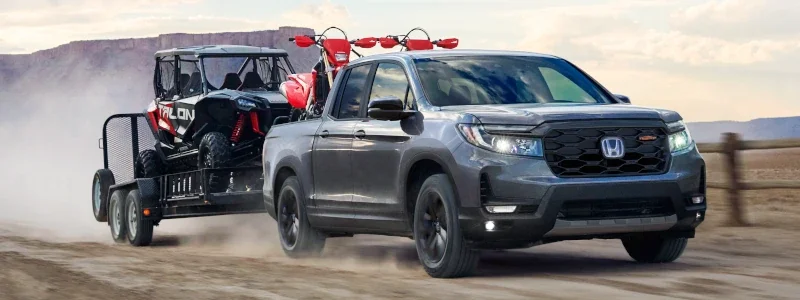
2026 Honda Ridgeline

2026 Honda Ridgeline Towing Capacity Guide

New Ridgeline Inventory New Honda Specials Table of Contents: Towing Capacity vs. Payload Capacity 2026 Ridgeline Towing and Payload Ratings by Trim How Configuration Choices Affect Your Numbers Finding the Right Ridgeline Setup for You Frequently Asked Questions Bottom Line Up Front: The 2026 Honda Ridgeline offers up to 5,000 pounds of towing capacity and up to 1,583 pounds of payload when properly configured, making it one of the most capable and practical midsize trucks on the market. This guide covers everything you need to match the right Ridgeline setup to your hauling needs. Picking a midsize pickup comes down to more than horsepower numbers and bed dimensions. Knowing exactly what your truck can safely tow and haul, and what happens when you push past those limits, is what separates a confident truck owner from a frustrated one. The 2026 Honda Ridgeline hits a sweet spot that a lot of buyers overlook: genuine towing muscle paired with a smooth, car-like ride and clever storage features you won't find anywhere else in the segment. Towing Capacity vs. Payload Capacity What Is Payload Capacity? Payload capacity is the total weight your truck can carry inside the cab and bed combined. That means passengers, tools, mulch bags, kayaks strapped in the bed, even the weight of a bed liner or toolbox counts toward this number. Honda calculates it by taking the Gross Vehicle Weight Rating (GVWR) and subtracting the truck's curb weight. Go over that limit and you risk stressing the suspension, braking system, and tires in ways that affect both safety and long-term reliability. What Is Towing Capacity? Towing capacity is the maximum weight the Ridgeline can safely pull on a trailer behind it. This accounts for the engine's torque output, the transmission cooling capacity, the hitch rating, and the braking system's ability to slow everything down. Towing a boat, a utility trailer loaded with landscaping equipment, or a small camper all fall under this number. Why It Matters More Than You Might Think For weekend warriors, knowing your tow rating is the difference between confidently hitching up a 20-foot pontoon and white-knuckling it down the highway. For contractors using a pickup as a work vehicle, payload capacity determines how many trips to the supply yard you make each day. Overloading either rating doesn't just void your warranty in some cases, it changes how your truck steers and stops. The 2025 Ridgeline already earned a reputation as a capable daily-driver truck. The 2026 version holds that same rating structure while adding refinements to comfort and technology features throughout the lineup. 2026 Honda Ridgeline Towing and Payload Ratings by Trim Trim Level Drivetrain Max Payload (lbs) Max Towing (lbs) Sport FWD or AWD 1,583* 3,500 – 5,000* RTL FWD or AWD 1,583* 3,500 – 5,000* RTL-E FWD or AWD 1,583* 3,500 – 5,000* TrailSport AWD 1,469* 5,000* Black Edition AWD 1,469* 5,000* *Actual ratings vary by drivetrain, selected options, and installed accessories. Always confirm your specific vehicle's payload label inside the driver's door jamb before loading. A few things stand out in this chart. First, every Ridgeline runs the same 3.5L SOHC i-VTEC V6 engine producing 280 horsepower and 262 lb-ft of torque, so the differences in capacity across trims come primarily from weight added by features and AWD hardware rather than engine variation. Second, FWD-equipped trims come in at the lower end of the towing range while AWD trims unlock the full 5,000-pound rating. Third, the TrailSport and Black Edition carry slightly lower payload ratings than base trims because of their additional standard equipment weight. Getting to That 5,000-Pound Towing Rating To reach the Ridgeline's maximum 5,000-pound tow rating, you'll want AWD, the trailer hitch and wiring harness (standard across all trims), and a proper Class III ball mount rated for the load. Honda's trailer stability assist is built into the AWD system and activates automatically, which takes some of the stress out of trailering on unfamiliar roads. How Configuration Choices Affect Your Numbers AWD vs. FWD This is the biggest lever you can pull. FWD Ridgelines are limited to 3,500 pounds of towing, while AWD models reach 5,000. If towing a boat, a camper, or any loaded utility trailer is part of your regular routine, AWD isn't just about off-road grip, it's the configuration that gives you the full capability the truck was engineered for. Payload ratings are essentially equivalent between drivetrains, so that choice really comes down to towing needs and driving conditions. Payload: What Counts Against the Number This trips up a lot of Ridgeline buyers. The payload rating is the total of everything added to the truck after it leaves the factory at curb weight. A 200-pound driver and three passengers already consumes roughly 800 pounds. Add a toolbox, a loaded bed, and an aftermarket accessory or two and you're tracking your remaining capacity carefully. The Ridgeline's lockable in-bed trunk is a real advantage here since it keeps gear secure without sitting on top of your payload floor. Trim-Level Feature Weight TrailSport and Black Edition models carry more standard equipment, including specific wheels, trim components, and AWD-related hardware, which nudges their payload ratings down relative to Sport and RTL trims. If maximum payload capacity is your primary goal, the Sport or RTL in an AWD configuration gives you the best combination of towing and hauling without the weight overhead of the higher trims. Towing with a Midsize vs. a Full-Size Truck The Ridgeline's 5,000-pound ceiling sits below full-size half-ton trucks, and that's worth acknowledging honestly. If you regularly tow a large fifth-wheel camper or heavy equipment trailer, a full-size truck is the more appropriate tool. But if your trailer sits between 3,000 and 5,000 pounds, whether that's a ski boat, a horse trailer for two, a small travel trailer, or an enclosed cargo trailer for equipment, the Ridgeline handles those loads with a composure and day-to-day drivability that most body-on-frame trucks can't match. The tradeoff works in favor of Ridgeline buyers who tow occasionally and drive their truck like a car most of the time. Finding the Right Ridgeline Setup for You The 2026 Honda Ridgeline is built for people who want a truck that earns its keep on weekends without feeling like a sacrifice on weekdays. The AWD models with their 5,000-pound tow rating cover the majority of midsize towing scenarios comfortably. The Sport and RTL trims deliver the highest payload if you're a regular bed-loader. The TrailSport adds light off-road capability and a tougher aesthetic without giving up the core truck functionality. What makes the Ridgeline different from most of its competitors isn't just the numbers. The lockable in-bed trunk, the dual-action tailgate, the available in-bed audio system, and the car-derived ride quality add practical, day-to-day value that doesn't show up in a spec sheet but absolutely shows up in how much you actually enjoy owning the truck. Ready to see the 2026 Honda Ridgeline in person? Visit Barker Honda to explore our current Ridgeline inventory and find the configuration that fits your hauling and towing needs. Our team can walk you through trim differences, pull the payload labels on trucks in our lot, and get you behind the wheel. Schedule your test drive online or give us a call today. 2026 Honda Ridgeline Towing and Payload Frequently Asked Questions What is the 2026 Honda Ridgeline's maximum towing capacity? The 2026 Honda Ridgeline can tow up to 5,000 pounds when equipped with AWD. FWD-equipped models are rated at 3,500 pounds. Reaching the maximum tow rating requires a properly rated trailer hitch and ball mount, both of which are standard equipment on all Ridgeline trims. How much payload can the 2026 Honda Ridgeline carry? Most 2026 Ridgeline trims offer a maximum payload of 1,583 pounds. TrailSport and Black Edition models come in slightly lower at 1,469 pounds due to their additional standard equipment. Remember that payload includes passengers, so account for everyone riding in the cab before loading the bed. How does the 2026 Ridgeline compare to other midsize trucks in towing capacity? The Ridgeline's 5,000-pound maximum is competitive within the midsize segment. It matches or exceeds the Toyota Tacoma's ratings in several configurations and comes close to the Chevrolet Colorado. The Ridgeline's advantage isn't brute-force towing numbers but rather the stability, composure, and daily usability it brings to towing duties, including standard trailer stability assist on AWD models. Does the 2026 Ridgeline come with a trailer hitch standard? Yes, all 2026 Honda Ridgeline trims include a 1-1/4 inch trailer hitch receiver and trailer wiring harness as standard equipment. You'll need to add an appropriate ball mount rated for your trailer's weight. Is the 2026 Ridgeline TrailSport good for towing? The TrailSport is a solid towing option since it comes standard with AWD and the full 5,000-pound tow rating. Its payload is slightly lower than the Sport and RTL trims at 1,469 pounds, so if maximum bed-hauling capacity matters as much as towing, the RTL with AWD is worth comparing. That said, the TrailSport's all-terrain tires and suspension tuning give it an edge when the boat launch or campsite involves unpaved roads. What engine does the 2026 Honda Ridgeline have? Every 2026 Ridgeline is powered by a 3.5L SOHC i-VTEC V6 engine producing 280 horsepower and 262 lb-ft of torque, paired with a 9-speed automatic transmission. Unlike most competitors, there is no engine choice to make. Honda has refined this V6 well for both towing duty and everyday fuel efficiency.

26-crv-exterior-4-1920x640

Is The 2026 Honda CR-V a Good Family SUV?

Explore 2026 CR-V Inventory 2026 Honda CR-V Research Browse Honda Special Offers Table of Contents: Is the 2026 Honda CR-V a Good Family SUV? Interior Space & Family Practicality Fuel Economy & the Hybrid Advantage Safety Features Families Trust How It Stacks Up: CR-V vs. the Competition Common Questions & Buying Advice The Verdict for Families If you're shopping for a compact SUV that can handle school drop-offs on Monday, a soccer tournament on Saturday, and a two-hour highway cruise in between, you're probably asking the same question thousands of Louisiana families are asking right now: is the 2026 Honda CR-V a good family SUV? After nearly three decades as one of America's best-selling vehicles, the CR-V has built its reputation on one promise: giving families more of what they actually need without making them pay for what they don't. The 2026 model year brings several meaningful upgrades: a standard 9-inch touchscreen, wireless Apple CarPlay and Android Auto, a wireless charging pad on every trim, a brand-new TrailSport Hybrid trim, and an improved all-wheel-drive traction management system. But beyond the spec sheet, what really matters is whether this SUV holds up when real life happens: when strollers need to fit, car seats need to install easily, and road trips need to end with gas still in the tank. The short answer: yes, the 2026 Honda CR-V is one of the strongest family SUV choices in its class. Below, we walk through five areas every parent should evaluate: interior space, fuel efficiency, safety technology, competitive comparison, and real-world buying advice, so you can make an informed decision before you ever step into a dealership. Interior Space & Family Practicality One of the top questions families ask is whether there's enough cargo space in the 2026 Honda CR-V for a family, and the answer is a clear yes. Honda engineers gave the CR-V one of the most thoughtfully designed interiors in the compact SUV segment, prioritizing real-world usability over showroom aesthetics. Here's a quick look at the dimensions that matter most to families: Measurement Gas Models Hybrid Models Rear Legroom 41.0 in. 41.0 in. Cargo Space (seats up) 39.3 cu ft 36.3 cu ft Cargo Space (seats folded) 76.5 cu ft 71.8 cu ft Passenger Volume 106.0 cu ft 103.5 cu ft Ground Clearance (AWD) 8.2 in. 8.2 in. Rear-seat passengers enjoy a class-leading 41.0 inches of legroom, enough for adults to sit comfortably behind other adults on weekday carpools and weekend road trips. The seats sit at an ideal height: not so low that you're climbing out, not so high that shorter family members struggle to step in. Wide rear door openings make buckling children into car seats faster and easier than in many competing models. What fits in the cargo area (seats up): Full week of family groceries Full-size stroller + diaper bag + travel essentials Up to 12 carry-on-sized bags Sports equipment for one or two kids Luggage for a 3–4 person weekend trip What fits with seats folded (76.5 cu ft): Flat-pack furniture Full camping kit for a family of four Home improvement supplies Sporting goods and gear Everything from a Costco run Additional family-friendly details include 60/40 split-folding rear seats, a flat load floor for easy loading, under-floor cargo storage for valuables, and a low lift-over height that makes hauling heavy items far less of a workout. Large door pockets, a sizable center console bin, and thoughtful cubbies throughout the cabin mean there's always a place for water bottles, tablets, and the inevitable collection of kid items that accumulates on every family drive. Fuel Economy & the Hybrid Advantage Fuel costs add up fast when you're driving to school, practice, the grocery store, and back, often multiple times a day. The 2026 CR-V Hybrid's fuel economy is one of the most compelling arguments for choosing this SUV, especially for families logging high annual mileage. The CR-V offers two primary powertrains to suit different budgets and driving habits: Powertrain Horsepower City MPG Hwy MPG Est. Annual Fuel Cost* 1.5L Turbo (FWD) 190 hp 28 33 ~$1,950 2.0L Hybrid (FWD) 204 hp 40 34 ~$1,500 2.0L Hybrid (AWD) 204 hp 38 33 ~$1,600 *Estimated annual fuel cost based on 15,000 miles/year at $3.20/gallon. Actual costs will vary. The CR-V Hybrid's 40 MPG city rating is a standout in the compact SUV segment. That's a 12 MPG city advantage over the gas model, which translates to approximately $450 in annual fuel savings for a typical Louisiana family driving 15,000 miles per year. Over a 5-year ownership period, that's over $2,000 back in your pocket, nearly offsetting the hybrid's price premium. Consumer Reports recorded 35 MPG in combined real-world hybrid testing, and Edmunds gave the hybrid powertrain high marks for its smooth, predictable operation. Just as important for families: the hybrid's 2.0-liter engine produces 247 lb-ft of torque, which is more pulling power than the gas model's 179 lb-ft, meaning confident, effortless acceleration from school-zone stops and secure highway merges, even with a full load of passengers. For Louisiana families planning Gulf Coast road trips on I-10, the CR-V Hybrid's range and efficiency means fewer fuel stops and more time at the destination. Safety Features Families Trust For parents, safety isn't a feature; it's the baseline. The 2026 Honda CR-V's Honda Sensing suite comes standard on every single trim level, which immediately sets it apart from competitors that charge extra for driver-assistance technology or reserve it for upper trims. Honda Sensing: Standard on Every CR-V: Collision Mitigation Braking System™ (CMBS™) with Forward Collision Warning and pedestrian detection that automatically applies brakes if a collision is imminent Road Departure Mitigation (RDM) with Lane Departure Warning that alerts and corrects if the vehicle begins to drift from its lane Lane Keeping Assist System (LKAS) that provides gentle steering input to maintain lane position on highways, reducing driver fatigue on long drives Adaptive Cruise Control (ACC) with low-speed follow that maintains a set following distance even in stop-and-go traffic Additional Safety (EX and above): Blind Spot Information System that alerts the driver to vehicles in adjacent lanes during lane changes Rear Cross Traffic Monitor that warns of crossing traffic when reversing out of parking spaces Front and Rear Parking Sensors (EX-L and above) that provide audio alerts when approaching objects at low speeds Auto High-Beam Headlights (Sport Touring Hybrid) that automatically switch between high and low beams based on oncoming traffic On the crash test front, the 2026 Honda CR-V earned a 5-star overall safety rating from NHTSA and received "Good" ratings from IIHS in the small overlap front, driver-side moderate overlap, and updated side impact tests. Honda has installed Honda Sensing in more than 10 million U.S. vehicles since 2014, making it a proven system refined over years of real-world use. For 2026, standard wireless phone integration and a wireless charging pad help keep drivers' eyes on the road and hands on the wheel, rather than reaching for a cable. Safety ratings sourced from NHTSA and IIHS. Individual test results may vary. Please visit nhtsa.gov and iihs.org for full details. How It Stacks Up: 2026 CR-V vs. the Competition Comparing the 2026 Honda CR-V against rivals like the Toyota RAV4 is the most common head-to-head shoppers consider. Here's how the CR-V measures up across the criteria that matter most to families: Category 2026 Honda CR-V 2026 Toyota RAV4 2026 Nissan Rogue 2026 Hyundai Tucson Best Hybrid MPG (combined) ~37 MPG ~38 MPG ~32 MPG ~38 MPG Cargo Space (seats up) 39.3 cu ft ~37.6 cu ft ~36.5 cu ft ~38.7 cu ft Max Cargo (seats folded) 76.5 cu ft ~69.8 cu ft ~74.1 cu ft ~74.8 cu ft Rear Legroom 41.0 in. 37.8 in. 41.6 in. 41.3 in. Safety Suite Standard All trims All trims All trims All trims RepairPal Reliability 4.5 / 5 4.0 / 5 4.0 / 5 4.0 / 5 *Competitor figures are approximate based on publicly available data. Always verify current specs with each manufacturer. Gas-model CR-V cargo figures used unless otherwise noted. The CR-V earns a clear edge in cargo capacity, with Car and Driver noting it fits 12 carry-ons behind the rear seat, two more than the RAV4 can manage. The RAV4 holds a slight MPG advantage in hybrid form, while the Tucson earned the IIHS Top Safety Pick+ award for 2026, a category where the CR-V fell short due to an updated rear-occupant moderate overlap test. For families prioritizing overall space, reliability, and long-term value, the CR-V remains a top-tier pick, particularly in Hybrid form, where it delivers class-leading efficiency with a smooth, polished driving experience. Common Questions & Buying Advice for Louisiana Families Which 2026 CR-V trim is best for a family? Most family buyers will find the best overall value in the EX-L (starting around $35,400). It adds leather upholstery, a power driver seat with lumbar support, heated front seats, a power moonroof, blind-spot monitoring, and a 10.2-inch digital instrument cluster over the base EX, without jumping to the hybrid price point. If fuel economy is a priority, the Sport Hybrid (~$35,630) is the sweet spot for hybrid features at an approachable starting price. See our full 2026 CR-V trim guide for a detailed breakdown of every configuration. Can I fit a full-size stroller in the CR-V? Yes. The CR-V's wide cargo opening, low lift-over height, and 39.3 cubic feet of cargo space (gas models) behind the rear seat comfortably accommodate a full-size stroller plus a diaper bag and travel essentials simultaneously. Multiple family reviewers confirm this is one of the CR-V's most practical real-world strengths. Is AWD worth it for driving in South Louisiana? For most South Louisiana roads and everyday conditions, front-wheel drive handles daily driving comfortably. However, if you travel to areas with heavy rain flooding, occasionally drive unpaved roads, or simply want added confidence in slippery conditions, the Real Time AWD with Intelligent Control System is a worthwhile addition, especially on the improved 2026 AWD system, which features better low-speed torque management than the previous generation. How reliable is the 2026 Honda CR-V? Extremely. RepairPal rates the Honda CR-V 4.5 out of 5 for reliability, which is above average for its class. The CR-V has been a best-seller for over two decades precisely because owners report low maintenance costs and high long-term satisfaction. The hybrid powertrain is covered by an 8-year/100,000-mile warranty, offering significant peace of mind for families planning to keep the vehicle long-term. What are the biggest 2026 updates I should know about? For 2026, every CR-V trim receives a standard 9-inch touchscreen (up from 7 inches), wireless Apple CarPlay and Android Auto, and a wireless charging pad. EX-L and above trims gain a new 10.2-inch fully digital instrument cluster. The lineup also welcomes the all-new TrailSport Hybrid with Continental all-terrain tires, standard AWD, and adventure-focused styling. AWD models across the lineup benefit from improved traction management for better wet- and low-grip performance. When is the best time to buy a CR-V at Barker Honda? Honda typically runs its strongest incentives at the end of each calendar quarter and during model changeover periods. Our team at Barker Honda stays current on all manufacturer offers and can help you find the best financing rate for your family's situation. Browse our current Honda specials to see what's available right now. The Verdict: Is the 2026 Honda CR-V a Good Family SUV? After looking at the space, efficiency, safety, and competition, the answer is an easy yes for most families. Here's the summary: Family Priority What the CR-V Delivers Standout Stat Space Class-leading cargo room and adult-worthy rear legroom 39.3 cu ft / 76.5 cu ft max Fuel Economy Best-in-class hybrid efficiency, saves money every mile Up to 40 MPG city (Hybrid) Safety Honda Sensing standard on all trims, NHTSA 5-star overall 10M+ vehicles equipped with Honda Sensing in the U.S. Reliability Among the most dependable compact SUVs on the market RepairPal 4.5/5, 8yr/100K hybrid warranty Value Competitive pricing, strong resale, low long-term cost Starts at $30,920; KBB Compact SUV Best Buy Whether you're hauling kids to school in Gonzales, loading up for a weekend trip to the Gulf, or simply looking for a vehicle that won't let your family down over the next 100,000 miles, the 2026 Honda CR-V is built to keep up, quietly, reliably, and efficiently. Ready to see it for yourself? Visit Barker Honda in Houma to test drive the 2026 Honda CR-V today. Our team is here to answer every question and help you find the right trim and powertrain for your family's needs. Find Your 2026 Honda CR-V at Barker Honda Ready to experience the 2026 Honda CR-V in person? Visit Barker Honda to explore the full lineup, compare trims side by side, and take one home for a test drive. Our Honda specialists provide expert guidance and transparent pricing so you can make a confident decision for your family. Contact our team to schedule your test drive, or browse our current inventory and specials online right now.